
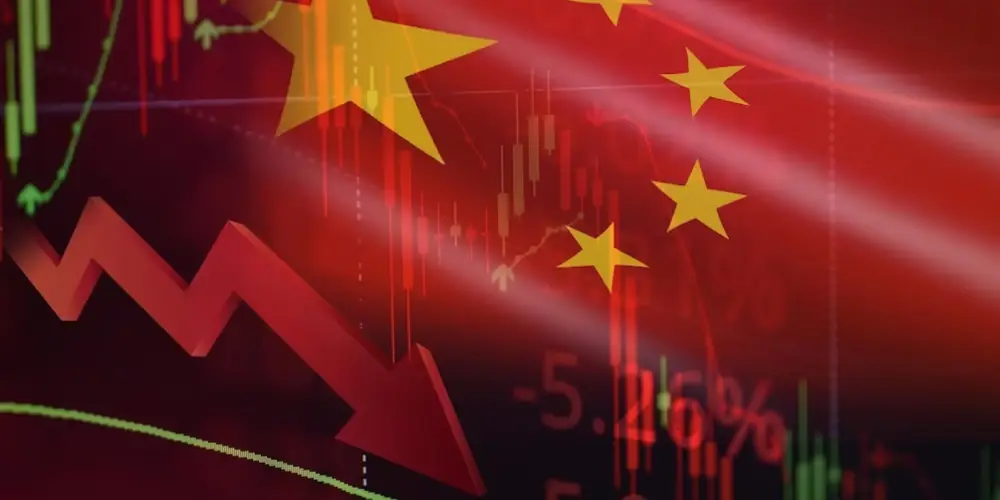
The Chinese stock market has been on a wild ride recently, with short positions experiencing a dramatic decline in February. This significant drop, reflecting a third of the previous volume, paints a picture of a market undergoing a transformation, driven by a combination of regulatory intervention and economic wobbles.
While the blue-chip CSI300 Index has managed to claw its way back from five-year lows, the climb remains tentative, mirroring the fragile state of China’s economic growth. This delicate dance between recovery and stagnation creates an environment ripe for cautious optimism, yet one tinged with a hint of uncertainty.
Decoding the Decline
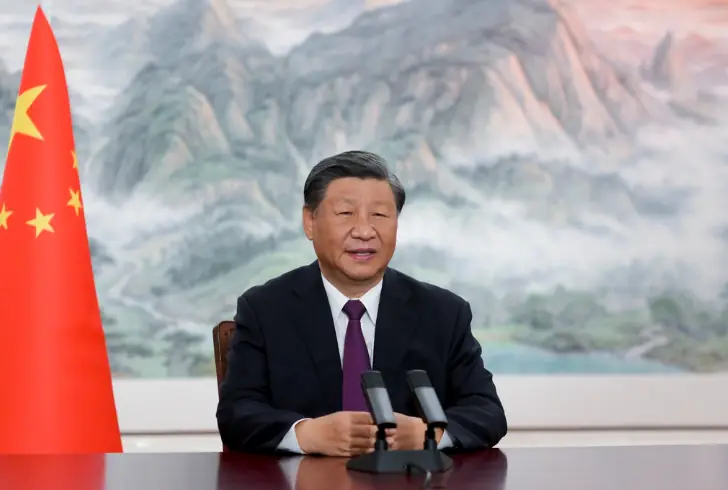
Behind the scenes, the Chinese government has been actively implementing measures aimed at stabilizing the market and boosting investor confidence. One key strategy involves curbing excessive speculation, particularly through short-selling activities. This approach has resulted in a significant reduction in short positions, with the balance of borrowed stocks for short selling plummeting to its lowest level in over three years.
However, it’s important to note that this data only captures a portion of the short-selling landscape, as it excludes positions held through derivatives and stock futures. This paints a more nuanced picture, highlighting the complexity of understanding the full extent of short-selling activity in the Chinese market.
Regulating for Fairness and Efficiency
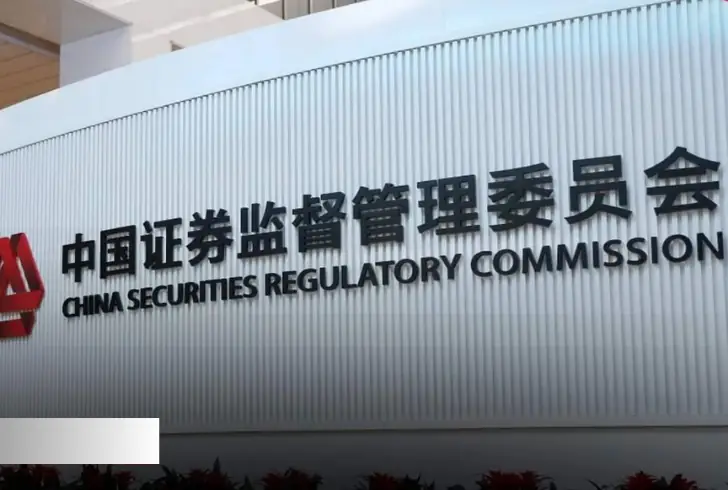
The Chinese regulatory body, the China Securities Regulatory Commission (CSRC), has been vocal about its goal of creating a “fair playing field” for all market participants. This objective resonates particularly strongly considering the significant role retail investors play in the Chinese market.
To achieve this level playing field, the CSRC has implemented several measures, including:
- Suspending brokerages from lending shares to short-sellers: This move directly restricts the ability of short sellers to borrow stocks and profit from their decline.
- Banning short selling of stocks bought on the same day: This regulation aims to curb short-term, speculative trading strategies often associated with market volatility.
These interventions have sparked debate within the investment community. While some, like Kher Sheng Lee of AIMA, acknowledge the need for “regulatory vigilance” to maintain market stability, others voice concerns about striking the right balance between regulation and free market principles.
The Short Seller’s Perspective
The decline in short positions has naturally impacted various market players. Wei Mingsan, a fund manager, highlighted the challenges these restrictions pose for implementing specific trading strategies, such as the “T+0” intraday approach. This sentiment is echoed by Yuan Yuwei, another fund manager, who expressed concerns about the potential for increased market volatility in the absence of short selling.

Yuan’s argument underscores the nuanced role short selling can play in the market. While excessive speculation can undoubtedly be detrimental, a measured approach to short selling can contribute to market efficiency by identifying and potentially correcting overvalued stocks.
A Market in Transition, Navigating Uncertain Waters
The recent decline in short positions in China’s stock market is a testament to the ongoing efforts to stabilize the market and bolster investor confidence. However, this move comes amidst a backdrop of economic uncertainty, casting a shadow over the long-term trajectory of the market.
As China navigates this complex landscape, striking a balance between regulatory intervention and market freedom will be crucial in fostering a sustainable and healthy investment environment. Whether this balancing act will ultimately lead to smoother sailing or choppier waters remains to be seen, but one thing is certain: the Chinese stock market will continue to be a fascinating case study for global investors in the years to come.